8
min
-
Expertise
-
23
March
2026
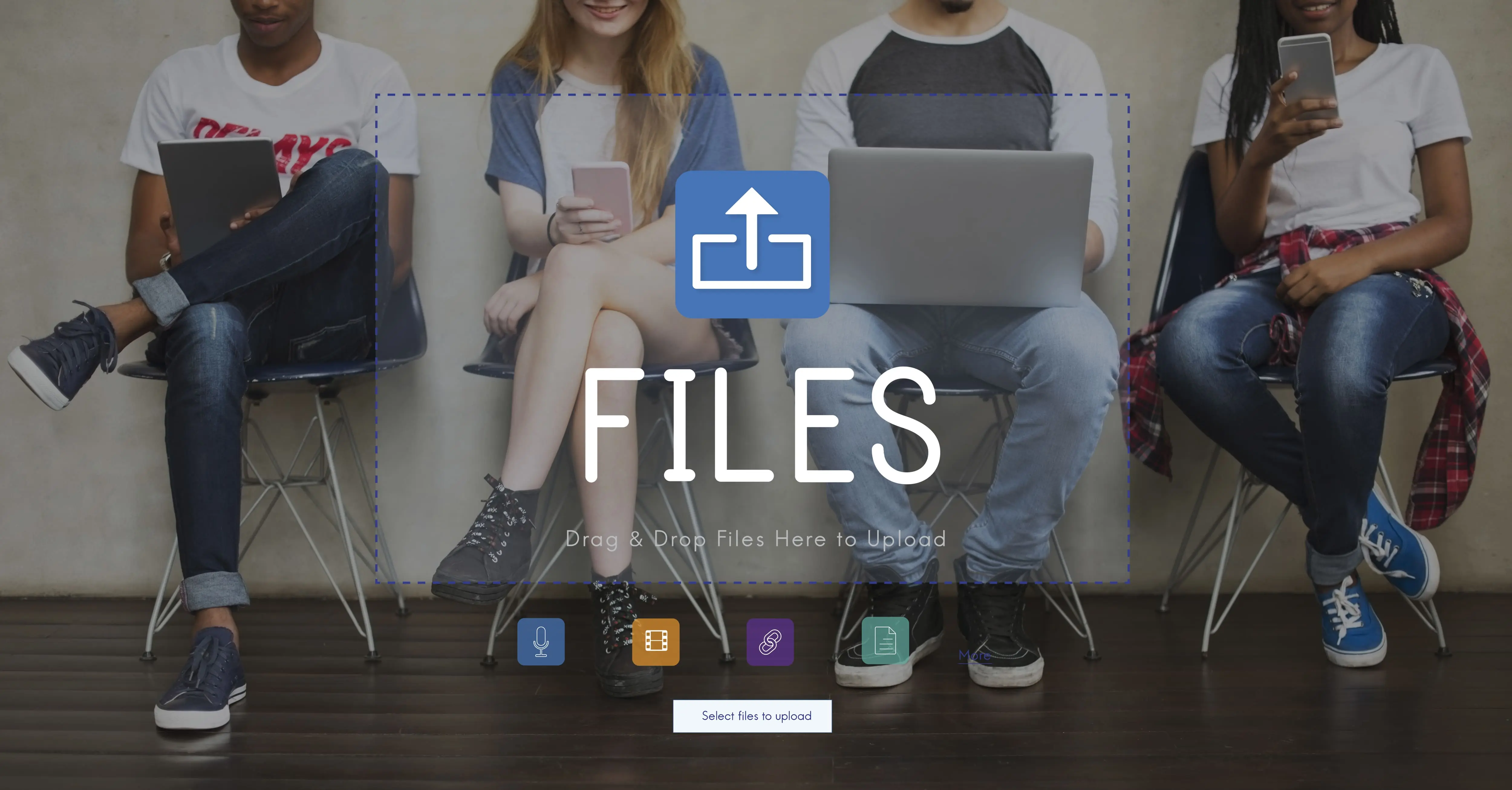
In a world dominated by visual content, media management (images, videos, 3D models) has become a strategic pillar for businesses. Whether for an e-commerce site, a marketing campaign, or an immersive customer experience, the quality and accessibility of these assets directly impact digital performance.
Yet many organizations still struggle to centralize, optimize, and effectively distribute their media. Between large file sizes, compatibility issues, and the proliferation of distribution channels, the challenges are numerous. Fortunately, solutions exist to automate and streamline this process, particularly through Product Information Management (PIM) tools like those offered by Quable, which enable the centralization and enrichment of all product data, including associated media.
Optimizing your media means improving the user experience, boosting your SEO, and mastering multichannel distribution. An integrated approach—combining DAM, PIM automation tools—is essential for transforming your digital assets into drivers of sustainable growth.
Media are no longer merely decorative elements; they are at the heart of the user experience. Hybrid and interactive formats generate higher engagement than static content (up to 40% higher), and immersive experiences such as augmented reality are transforming the way users shop, interact with brands, and more…
For example, 3D environments like those offered by IKEA allow customers to view a product from every angle, interact with it in real time, and even customize it before purchasing. These innovations reduce bounce rates and significantly increase time spent on pages—two key indicators of user satisfaction and business performance.
Furthermore, smooth and fast media loading has become a non-negotiable expectation: a slow website or poorly optimized media results in an immediate loss of credibility and conversions. Brands that incorporate lightweight, responsive, and interactive media see a tangible increase in their conversion rates.
Media plays a central role in organic search engine optimization. Search engines are placing increasing importance on the diversity and quality of multimedia content when assessing a website’s relevance and authority. An effective SEO strategy must now fully incorporate video, 3D demonstrations, tutorials, and optimized images, as these formats enhance the user experience and boost organic visibility.
Today, companies must distribute their media across a wide range of channels: websites, social media, marketplaces, mobile apps, and even immersive environments (the metaverse, virtual trade shows). Each platform has its own formats, resolutions, and expectations for engagement. For example, short, vertical videos dominate on TikTok and Instagram, while 3D demos and tutorial videos are popular on e-commerce sites and B2B platforms.
This fragmentation of channels makes media management complex, but also strategic:
Media optimization (images, videos, 3D) relies on striking a balance between quality, performance, and accessibility. By choosing the right formats, using smart compression, and automating distribution through tools like a DAM or PIM, you can maximize the impact of your content while maintaining a positive user experience and search engine visibility. A proactive approach, combined with technology monitoring, will allow you to remain competitive in an ever-changing digital landscape.
To maximize the impact of your images while maintaining your website’s performance, here are some best practices to follow:
Videos, which are often large files, require special attention to ensure they don’t slow down loading times or reduce engagement:
3D models, which are increasingly used for product configurators and immersive experiences, must be lightweight and browser-compatible:
A Digital Asset Management (DAM) system is a software solution designed to store, organize, enrich, and distribute all of a company’s digital assets: images, videos, 3D models, marketing materials, and more. Unlike simple online storage, a DAM system allows you to structure these media assets, automate their processing, and make them accessible to all teams, while ensuring their security and compliance.
For companies that manage a large volume of products and associated media, integrating a DAM with a PIM Product Information Management) system like Quable’s offers an even more powerful solution. The PIM product data (descriptions, prices, attributes), while the DAM manages visual and multimedia assets. Together, they enable:
Media management is a strategic tool for any business looking to optimize its digital presence. By adopting best practices for optimization and centralizing management through a PIM Quable, you gain efficiency, consistency, and visibility. Media are no longer just tools—they are true assets for enriching the customer experience and boosting your sales performance. Take the time to audit your current processes and explore the solutions available to transform your media into a sustainable competitive advantage.
Media management has become a key priority for companies looking to improve their digital performance. Images, videos, and 3D models directly impact the user experience, page load times, SEO, and brand consistency across all channels.
To be truly effective, this content must be optimized using the right formats, intelligently compressed, enriched with relevant metadata, and tailored to each platform. But optimization alone isn’t enough: you also need to centralize its management. This is where combining a DAM and a PIM really PIM its own, enabling you to organize, enrich, and distribute media in a consistent, fast, and scalable way.



_Leader_Mid-Market_Leader.svg)

_MomentumLeader_Leader.svg)

_BestResults_Enterprise_Total.svg)
_HighestUserAdoption_Enterprise_Adoption.svg)
_UsersMostLikelyToRecommend_Enterprise_Nps.svg)


%201.svg)
%201.svg)